
If you’ve ever been referred to a biokineticist after an injury — or spotted the term on a medical aid benefit schedule — you may have wondered exactly what they do and how they differ from other health professionals. The answer is simpler than the name suggests, and the results can be transformative.
A biokineticist is a registered health professional who uses scientifically designed physical exercise as a therapeutic tool to improve health, restore function after injury, and manage chronic conditions. In South Africa, biokineticists are registered with the Health Professions Council of South Africa (HPCSA), which means their practice is governed by the same professional standards as medical doctors, physiotherapists, and other healthcare providers.
What Is Biokinetics?
Biokinetics is a health profession that applies the principles of exercise science to the prevention, treatment, and rehabilitation of disease, injury, and physical impairment. The word itself combines bio (life) and kinetics (movement) — literally, the science of living movement.
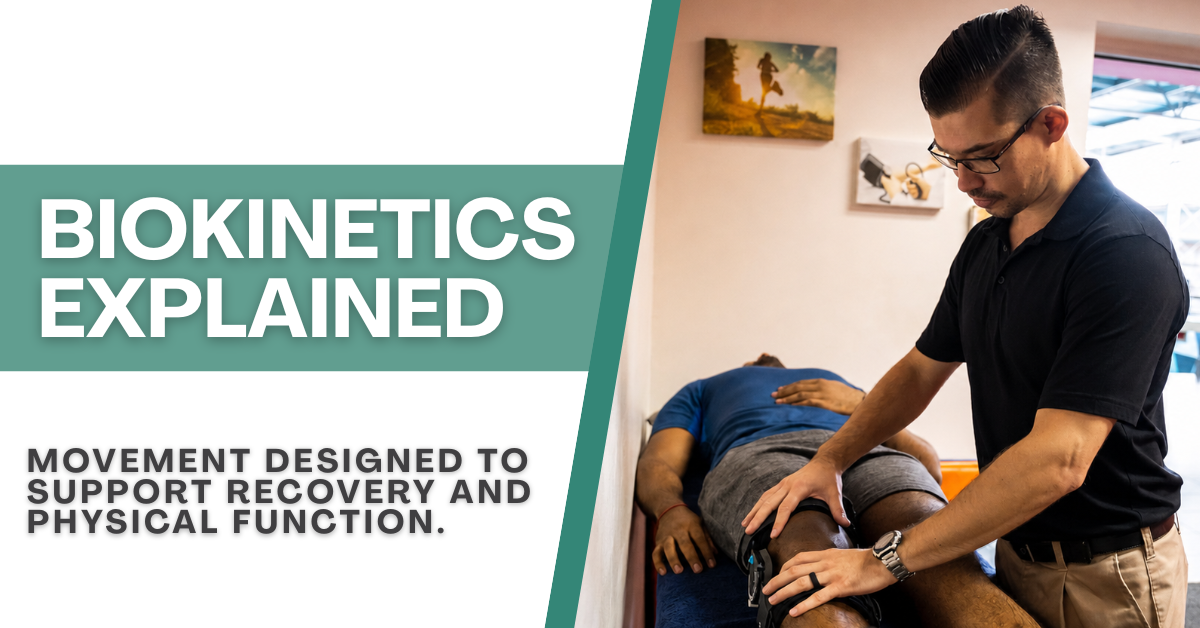
While physiotherapy focuses largely on the acute, hands-on treatment phase of recovery, biokinetics picks up where that leaves off. A biokineticist designs and supervises personalised exercise programmes that restore strength, mobility, and function over time — making them the final, critical link in the rehabilitation chain.
What Does a Biokineticist Do?
Every patient who walks through the door has a different body, a different history, and different goals. A biokineticist’s job is to understand all three and build a programme around them. In practice, this means:
- Assessment — evaluating your movement patterns, muscular strength, flexibility, posture, and overall physical condition to identify what needs attention.
- Programme design — creating a structured, evidence-based exercise plan targeted at your specific condition or goal.
- Supervised sessions — guiding you through each exercise with correct technique, ensuring safety and maximum benefit.
- Progress monitoring — tracking your improvement over time and adjusting the programme as you advance.
Conditions and goals that biokineticists commonly address include:
- Injury rehabilitation (back pain, knee injuries, shoulder problems, and more)
- Post-surgical recovery
- Orthopedic rehabilitation
- Chronic condition management (diabetes, hypertension, osteoporosis, arthritis)
- Postural correction and movement dysfunction
- High-performance and sport-specific training
- Specialised programmes for individuals with special needs
- Medical aid fitness assessments
Who Can See a Biokineticist?
Almost anyone can benefit from working with a biokineticist — not just athletes or people recovering from surgery. Common patients include:
- People recovering from injury — whether it’s a ligament tear, a broken bone, or chronic back pain, a biokineticist designs a programme to rebuild strength and restore normal movement.
- Post-surgical patients — rehabilitation after joint replacements, spinal surgery, or cardiac procedures often requires the kind of structured, supervised exercise a biokineticist provides.
- People with chronic conditions — exercise is one of the most powerful tools for managing conditions like Type 2 diabetes, hypertension, and obesity. A biokineticist ensures that exercise is safe, appropriate, and effective for your specific diagnosis.
- Individuals with special needs — biokineticists are trained to develop adapted exercise programmes for people with physical or developmental disabilities.
- Athletes — performance training, injury prevention, and return-to-sport protocols all fall within a biokineticist’s scope.
- Older adults — maintaining strength, balance, and mobility as we age reduces fall risk and supports independent living.
- Anyone in pain — if pain is limiting your movement or your quality of life, a biokineticist can help identify the cause and build a programme to address it.
Biokineticist vs Physiotherapist — What’s the Difference?
This is one of the most common questions people ask — and the honest answer is that both professions are valuable, and they often work best together.
A physiotherapist typically focuses on the acute or early stages of injury management: manual therapy, joint mobilisation, electrotherapy, and soft tissue treatment. They’re the first port of call after an injury or surgery.
A biokineticist takes over in the rehabilitation and long-term management phase — using structured, progressive exercise to restore full function, build strength, and prevent recurrence. Where physiotherapy ends, biokinetics begins.
Think of it this way: a physiotherapist helps get you out of pain; a biokineticist helps you stay out of it.
For the full breakdown, including where chiropractors fit and answers to common questions about referrals and medical aid, read our complete guide: Biokineticist vs Physiotherapist: which do you need?
Does Medical Aid Cover Biokinetics?
We recommend checking directly with your medical aid provider to confirm whether your available medical savings or benefits will cover the sessions, as well as whether your plan requires a doctor’s referral or has an annual allocation for biokinetics services.
What Happens at Your First Session?
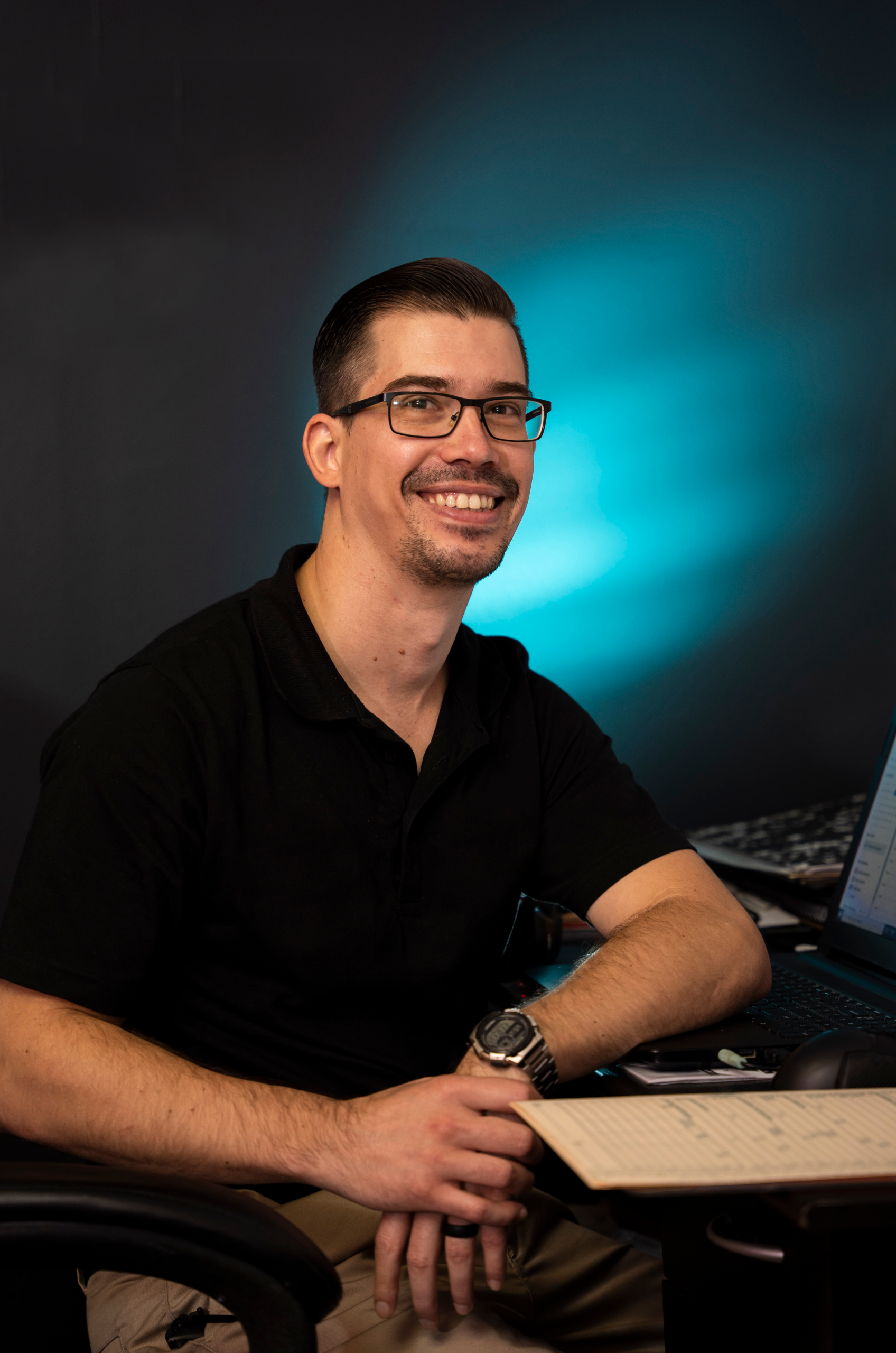
Your first appointment is primarily an assessment. Kobus will take a thorough health and injury history, assess your movement and strength, and discuss your goals — whether that’s recovering from an injury, managing a chronic condition, or improving your physical performance.
From there, he’ll design a personalised programme and walk you through the initial exercises, ensuring you understand the purpose of each movement and can perform it safely. Sessions are conducted one-on-one, with no double-bookings or rushed schedules — your full session time is with Kobus.
Why See Kobus Olivier in Westville, Durban?
Kobus Olivier is a qualified biokineticist with more than 12 years of experience helping people move better, recover safely, and live healthier, more active lives. He graduated from the University of KwaZulu-Natal (UKZN) summa cum laude and has built his practice on a patient-centred philosophy — every programme is built around you, not a generic template.
His practice in Westville offers:
- Fully personalised, one-on-one sessions
- Evidence-based rehabilitation and exercise prescription
- A calm, professional environment with no gym crowds
- Flexible hours, Monday to Friday 8am–7pm and Saturday 6am–12pm
- Medical aid assessment services for Discovery, Momentum, and Universal
Whether you’re recovering from surgery, managing a long-term condition, or simply want to move and feel better, Kobus provides the expertise and individual attention to help you get there.